
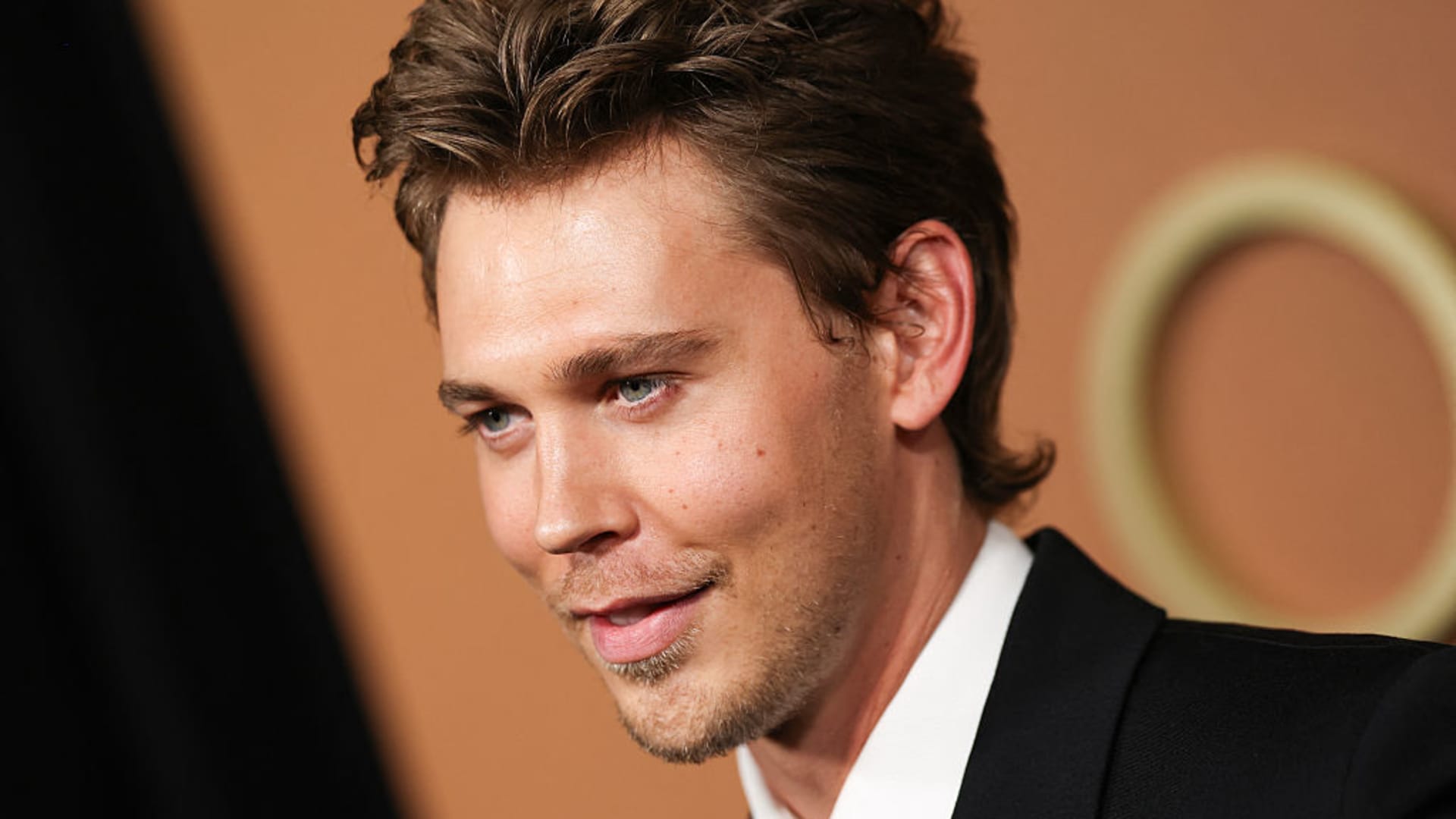
Actor Austin Butler attends the 16th Governors Awards at the Ray Dolby Ballroom at Ovation Hollywood in Los Angeles, Nov. 16, 2025.
Valerie Macon | AFP | Getty Images
With an affordability crisis taking hold, financial stability is in fashion. Whether it’s wearing a quarter-zip sweater or the latest “401(k) mullet” hairstyle, young men, especially, are leaning into styles that give an air of monetary responsibility.
“Men not only found a voice but are finding their place through these trends,” said Thomaï Serdari, professor of marketing and director of the fashion and luxury program at New York University’s Stern School of Business.
Clothing, hairstyles, music and even underwear have often been seen as leading economic indicators. For example, former Federal Reserve Chairman Alan Greenspan believed that men’s buying habits regarding underwear were a good indication of whether consumers were making fewer discretionary purchases.
Here’s what experts say these new trends show about how consumers feel toward the U.S. economy and the job market.
The ‘401(k) mullet’
The old 401(k) is now cool.
These employer-sponsored retirement savings plans have been steadily gaining steam for years, but in 2026, they’ve tapped into the zeitgeist.
A new Banking Herald survey found that 15% of adults wouldn’t date someone who didn’t have a retirement account.
According to Vogue, the “401(k) mullet” is catching on, which is a more grown-up version of its shaggy predecessor.
Jacob Elordi attends the premiere of “Wuthering Heights” at TCL Chinese Theatre in Hollywood, California, Jan. 28, 2026
Unique Nicole | Filmmagic | Getty Images
Unlike previous iterations, “the 401(k) haircut is very contained,” Serdari said.
“We are finally moving away from the time of the tech entrepreneur who drops out of college and yet will make tons of money,” she said. “People are slowly returning to a more put-together version of themselves with the intention of finding a job.”
Men want to “emulate the lifestyle they want to achieve and, in that way, attract success,” Serdari said.
Social media seems to agree: When rapper T-Pain posted a photo of himself on Instagram in mid-November with the caption “401k and a quarter zip,” he garnered more than 122,000 likes.
The ‘quarter-zip movement’
Since recent grad Jason Gyamfi started the “quarter-zip movement” in a Nov. 5 TikTok video, the sweater itself has become a symbol of how to look like an up-and-coming professional.
“What began as a simple style shift became a message — one that’s inspiring people to grow, reinvent themselves, and carry confidence in everything they do,” Gyamfi wrote in a Dec. 10 LinkedIn post about his viral video, which has been viewed more than 31 million times.
Filadendron | Istock | Getty Images
With fewer job prospects, in part due to the rise of artificial intelligence, “a lot of young people feel the odds are against them,” Serdari said. “They don’t have a way of reaching the security their parents and grandparents had,” she said.
Amid today’s softening labor market, the traditional “path to a stable job with a 401(k) and prospects of success and financial growth … is not guaranteed,” she said.
“What used to be boring — the 401(k) — is unattainable and therefore sexy,” Serdari said.
Of course, the look of understated wealth is not new.
Some form of “quiet luxury” has been on the rise ever since Americans’ economic circumstances became increasingly divided in the wake of the Covid pandemic. In the years that followed, the so-called K-shaped economy left the wealthiest Americans even better off than before, largely after benefiting from stock market gains and appreciating home values.
Even when most Americans were living paycheck to paycheck, the trend toward luxury took hold in a big way once consumers caught Gwyneth Paltrow’s courtroom aesthetic at her ski accident trial in 2023.
Actress Gwyneth Paltrow enters the courtroom for her trial in Park City, Utah, March 24, 2023.
Rick Bowmer | Getty Images
A year later, TikToker Megan Boni posted a video that quickly went viral when she sang about trying to find a “man in finance” with a “trust fund.” That video was viewed more than 60 million times.
Since then, the consumer economy has only become more bifurcated. Wealth continues to rise faster for those at the very top, data from the Federal Reserve shows, as the value of their investment holdings grows. The top 10% of Americans hold over 87% of corporate equities and mutual fund shares.
“People are searching to find a recipe for belonging, for making it in a world that has been exclusionary with a growing disparity between rich and poor,” Serdari said.
401(k) balances are growing
Many of these workers are now exhibiting “positive savings behaviors,” according to Kirsten Hunter Peterson, vice president of workplace thought leadership at Fidelity Investments, the nation’s largest provider of 401(k) savings plans.
Overall, retirement account balances, which sank at the start of 2025 amid wild market swings, are at all-time highs, according to the latest data from Fidelity.
Near the end of last year, the average 401(k) balance hit a record $144,400, Fidelity found.
“When it comes to younger workers, many of them do get a bad rap [on saving for retirement], but the numbers tell a different story,” Hunter Peterson said.
While other research points to retirement saving shortfalls across generations, “Gen Z is saving earlier and at higher rates than previous generations before them,” she said.
In part, Generation Z is more prone to sharing financial information and tips on social media and, in some cases, that is an extremely effective way to convey the benefits of saving for retirement, Hunter Peterson said. Still, there is no substitute for personalized recommendations from a vetted financial advisor, she added.
“When it comes to taking action, especially for younger investors, it’s important to listen to a trusted source,” she said. “There are a lot of ‘finfluencers’ out there who are not licensed professionals.”