
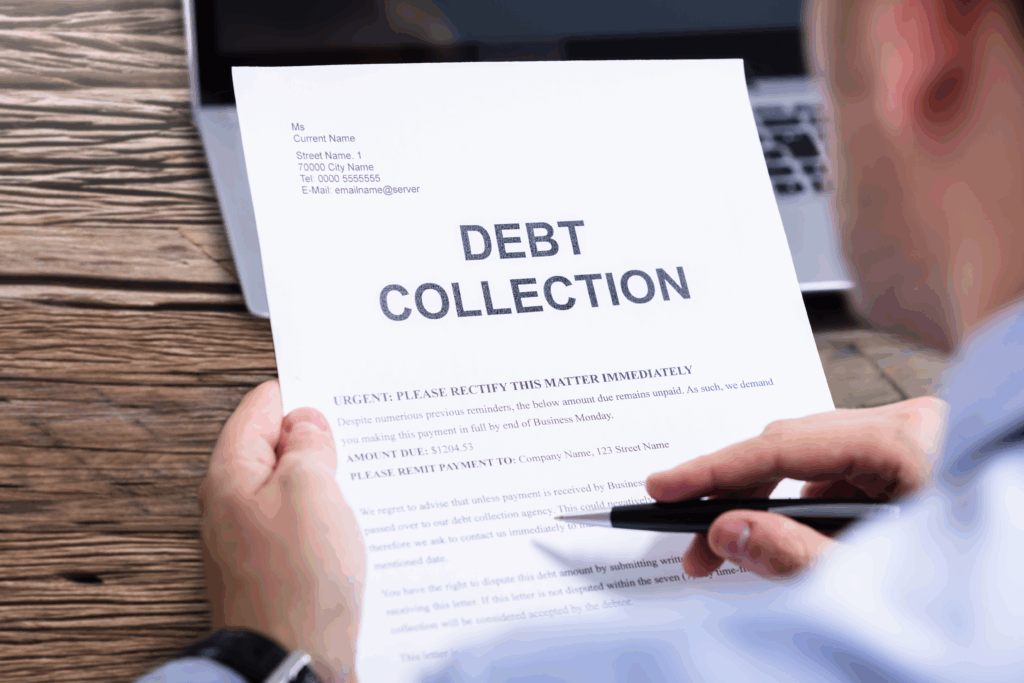
No one likes getting calls from debt collectors. And if you’ve already had the misfortune of dealing with one (or more than one), you already know that debt collection agencies will often call nonstop until you answer. But can debt collectors call on a Sunday?
The short answer, unfortunately, is yes, they can. However, there are legal restrictions on when debt collectors may call you.
What Is the Law on Debt Collectors Calling?
The Fair Debt Collection Practices Act (FDCPA) is a federal law designed to protect consumers from debt collectors. The point of the law is to stop collectors from using deceptive, unfair, and abusive tactics to collect debts.
Since harassment from debt collectors is considered abusive, the FDCPA prohibits collectors from calling excessively. Here are some of the major provisions:
The 7-7-7 Rule
The so-called “7-7-7 rule” (or “7-in-7” rule) places clear restrictions on contact.
What is the 7-7-7 rule for collections? Here’s how it works:
- A collector may not call you more than seven times in seven days for any one debt
- If a collector has a conversation with you about the debt, they must wait seven days before calling again
It’s important to understand that the rule applies on a per-debt basis. This means that if you have two debts with a single debt collector, the collector may call you a total of 14 times in seven days.
Restrictions on Call Times
Debt collectors aren’t allowed to call at odd hours to disturb you. However, different people have different schedules. So what time can bill collectors legally call?
The FDCPA forbids debt collectors from calling before 8 a.m. or after 9 p.m. by default. However, if you keep different hours and tell the collector to call at another time, they must comply.
Can Debt Collectors Call on a Sunday?
The FDCPA restricts when and how often debt collectors are allowed to call you. But can debt collectors call on weekends? They’re legally permitted to do so, and they often do. The FDCPA doesn’t set different rules for calling on weekdays and weekends.
Can a Debt Collector Call You on Sunday if You Ask Them Not To?
According to the Consumer Financial Protection Bureau (CFPB), debt collectors are required to obey instructions regarding when debtors don’t want to be contacted. So if you don’t want a debt collector to call you on Sundays or on the weekend, you should tell them.
Unfortunately, some debt collectors don’t respect consumers’ rights. They might pretend you never told them not to call and continue to bother you over the weekend. If this happens, or if you want the debt collector to stop calling entirely, you should send a formal letter to the collector telling them to cease all communication about the debt.
This is often called a “cease and desist” letter. Ideally, you should send it by certified mail so you have proof that it arrived.
Once the debt collector receives your letter, they’re legally obligated to stop calling. If they continue, you might have legal recourse.
What Can You Do if the Collector Keeps Calling?
Ideally, the debt collector will obey your letter and stop the bothersome phone calls. But if they don’t, you have options:
- File a complaint with the CFPB
- Contact your state attorney general’s office
- Hire a consumer protection lawyer
When a debt collector violates your rights under the FDCPA, you have the right to file a civil lawsuit. If you can prove to the court that the collector broke the law, the collector may be ordered to pay you up to $1,000, reimburse you for any losses you’ve incurred, and cover your legal fees.
Are Debt Collectors Allowed to Call on Sundays?
Lots of people wonder: Can debt collectors call on a Sunday? As irritating as it may be, debt collectors are permitted to contact you on Saturdays and Sundays. However, thanks to the protections afforded by the FDCPA, you don’t have to tolerate weekend calls if you don’t want to.
The content provided is intended for informational purposes only. Estimates or statements contained within may be based on prior results or from third parties. The views expressed in these materials are those of the author and may not reflect the view of SmartSpending. We make no guarantees that the information contained on this site will be accurate or applicable and results may vary depending on individual situations. Contact a financial and/or tax professional regarding your specific financial and tax situation. Please visit our terms of service for full terms governing the use this site.