
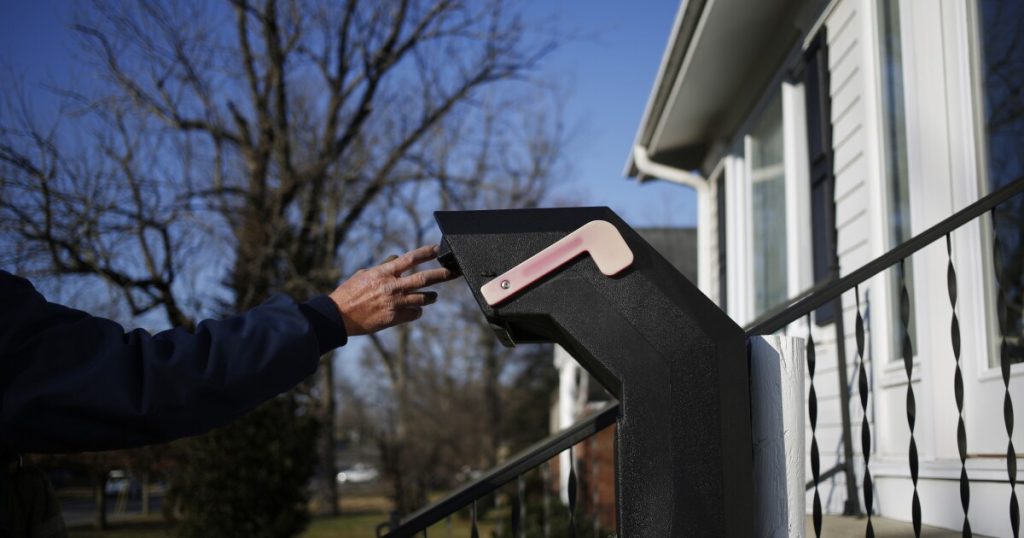
- Key Insight: After acquiring Comerica, Fifth Third plans to use paper mailers as well as digital marketing to reach consumers in the Western U.S.
- Supporting Data: In 2026, the bank plans to send out 13 million-to-14 million mailers to advertise consumer deposit accounts.
- Expert Quote: “Mail still works,” said Fifth Third CEO Tim Spence.
Processing Content
As
Over the course of 2026,
“Mail still works,” Spence said during the bank’s fourth quarter earnings call. “It works in credit cards. It works in checking. It’s the reason that you see the JPMorgans of the world continuing to use it, in addition to folks like
In an interview Tuesday with American Banker, Spence said that the millions of mailers planned for this year will target consumers with deposit accounts, offering them cash bonuses and promotional rates to stay at or switch to
“It is literally the same set of tactics that we have been using to support the buildout in the Southeast,” Spence said. “The same playbook … will drive, we think, the same sort of outcomes in Texas and eventually California.”
According to Spence,
“
“From February 1 to September, everything we do to support them will be mail-based,” Spence said.
The snail-mail approach offers some advantages over more modern methods.
During Tuesday’s earnings call, Wells Fargo analyst Mike Mayo ribbed Spence over his old-fashioned approach, calling it “very last century.” Spence responded that mail may be old, but it’s also precise.
“The benefit of direct mail is that you can literally pick, down to the individual household, who receives the offer and who doesn’t,” the CEO said, “whereas in a digital environment, you have a lot more data on folks, but you are still, at the end of the day, optimizing around the segments of the population.”
In terms of the most recent quarter,
Net income for the quarter was $699 million, comfortably exceeding the $660.5 billion that analysts had forecast, per S&P. And total revenue came in at $2.344 billion, narrowly beating estimates of $2.338 billion.
After the call, Spence told American Banker that the quarter represented a “bookend” to one era of
“It’s basically the last quarter where investors will have the opportunity to see what the old